Hi, welcome to your Weekend!
As we were preparing a slate of stories for the week, the Department of Justice announced on Tuesday that it had made its “largest financial seizure ever,” reclaiming $3.6 billion of the $4.5 billion in Bitcoin that was stolen from Bitfinex, a currency exchange, in 2016. You likely heard about this story, because it is certifiably nuts.
The alleged Bitcoin bandits, Ilya Lichtenstein and Heather Morgan, are a married millennial couple from New York who have left behind a truly dumbfounding Internet footprint. She is an occasional Forbes writer and amateur rapper who calls herself “Razzlekhan,” aka “the Crocodile of Wall Street.” He is a Russian-born founder of a San Francisco startup called MixRank. Together, they allegedly stole nearly 120,000 Bitcoin and then tried, and mostly failed, to launder it.
Their saga sets the stage for this Weekend’s cover story by Margaux, which is as much about the brazen nature of crypto scams as it is about the inability of platforms like Bitfinex and Discord to stop them. While the amount that Lichtenstein and Morgan allegedly stole far exceeds the sums routinely grifted from NFT holders on Discord, the ease and casualness of the thieves’ behavior is consistent. Crypto is already a difficult concept for most people to grasp—if it’s also synonymous with farcical scams and ridiculous scammers, maybe its future isn’t so bright after all.
the big read
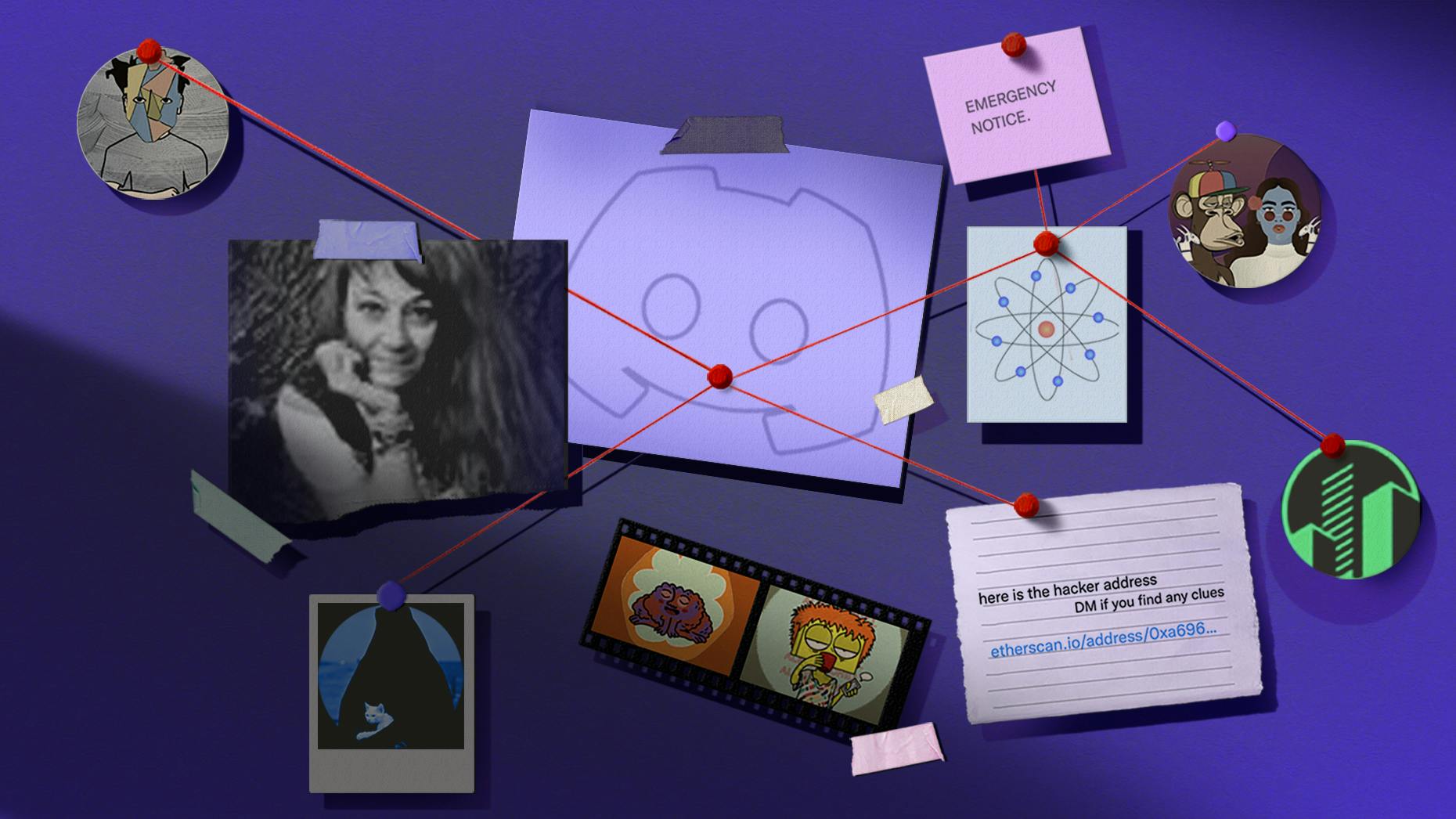
Crypto’s Town Square Has Become “a Scammer’s Paradise.” Why Isn’t Discord Doing More to Clean It Up?
There’s a plague infecting all corners of the NFT world: the Discord scam, in which users of the crypto-popular chat app are duped into sharing person information and bilked out of their digital assets. In January alone, at least 44 Discord servers were exploited by scammers, with over $1 million lost. “It’s nonstop,” said one Discord vigilante. “There are no consequences.” Margaux has the story of a platform that’s become a playground for scammers.
Social studies
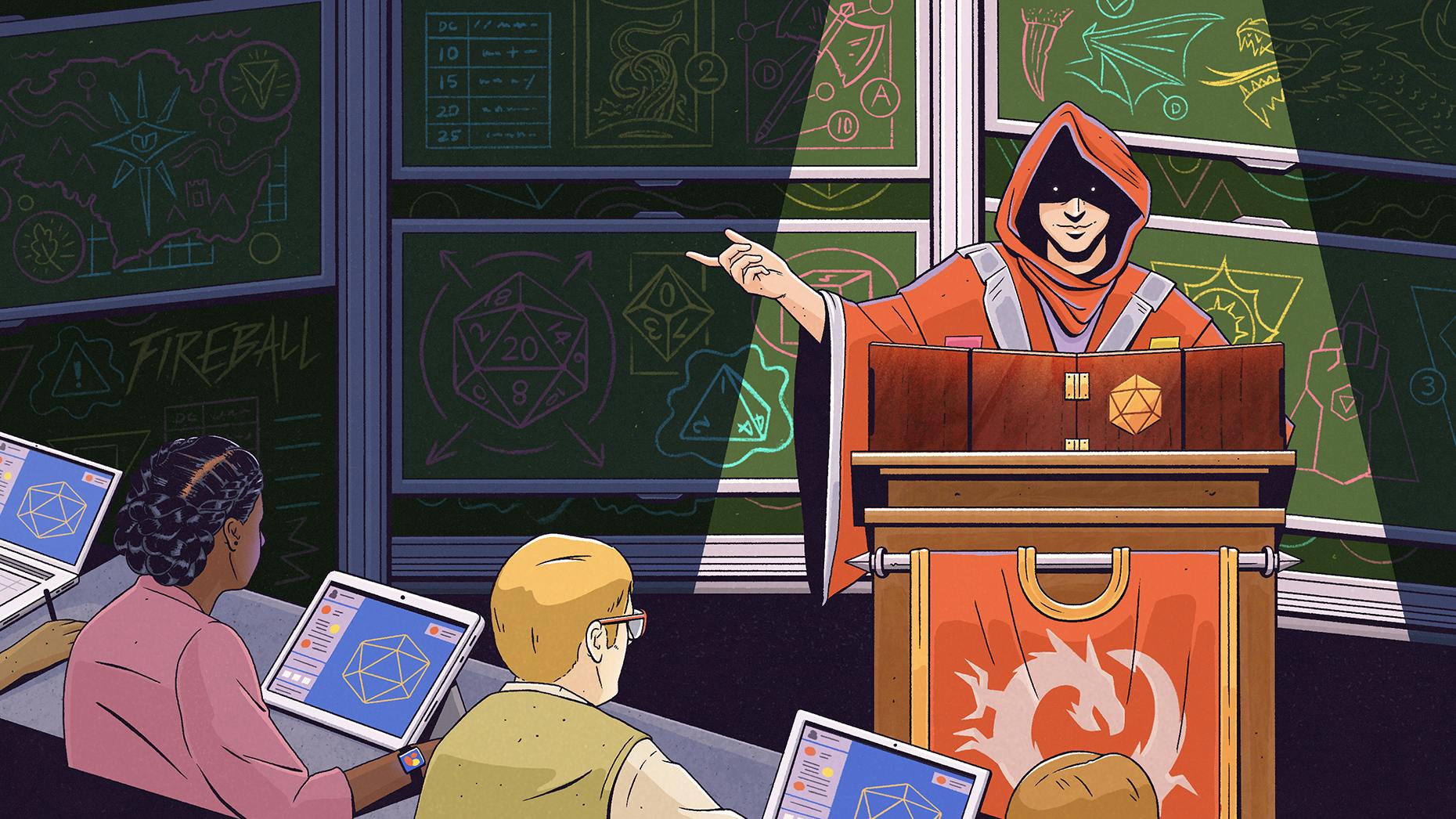
The Latest Trend in EdTech: Dungeons & Dragons Academies
Live from his home dungeon in Orem, Utah, Dax Levine teaches students how to become D&D dramatists. “People pay me to find creative ways to murder them,” he says. Levine is one of a number of entrepreneurial Dungeon Masters who are training the next generation of Dungeons & Dragons professionals through a very 2022 medium: Zoom courses, mental health training seminars, and online forums and job boards.
my life's work

The Founder Who Went Up a Mountain and Came Down a Better Leader
In our new column, “My Life’s Work,” we ask tech founders and executives how their unique life experiences influenced their careers. This week, Annie chats with Hims & Hers co-founder Hilary Coles about her Canadian upbringing, climbing the Himalayas with military veterans, and how a urinary tract infection changed her assumptions about healthcare.
10 Questions

Erich Schwartzel’s “Red Carpet” Reveals How Beijing Bullied Hollywood Into Submission
Schwartzel, a reporter at The Wall Street Journal, answers this week’s “10 Questions” survey about his globe-trotting new book dissecting China’s quest for cultural domination. The book ventures from the backlots of Burbank to the inner sanctums of Beijing’s National People’s Congress to the living rooms of a Masai village in Kenya. “To access the biggest, fastest-growing market in the world,” Schwartzel tells Jillian, “you have to play by its rules.”

Watching: Steven Soderbergh’s “Kimi”
The just-released Soderbergh film on HBO Max is “Rear Window” meets “Her,” centered around an agoraphobic Seattle tech worker played by Zoe Kravitz who relies on her virtual personal assistant, Kimi, for just about everything. That is, until she comes across evidence of a crime that artificial intelligence alone can’t solve for her. The New Yorker calls the movie “a killer thriller of industrial chicanery with a high-tech edge of menacing surveillance.” We call it a Hitchcockian cat-and-mouse feature for our Alexa-addled age.
Reading: Computer programmers decoding Dickens
The New York Times has the delightful story of the English university that offered a £300 prize to anyone who could decode Charles Dickens’ notes, which have stumped scholars for more than a century. The contest winner? An IT specialist from San Jose, Calif. who has never read a Dickens novel before. Of course, he didn’t hear about the challenge through the literary community, but instead through a Reddit group focused on code-cracking. Dickens may have thought his stenography was undecipherable, but it only took 163 years to prove him wrong.
Noticing: “Boss babies” owning companies in Luxembourg
“The Boss Baby” series (in which Alec Baldwin voices an infant corporate cog) has come true. The Organized Crime and Corruption Reporting Project reveals that hundreds of children have ownership stakes in Luxembourg-based companies. Among the bosses: infant offspring of “oligarchs, criminals, and people with close ties to politically influential figures.” Sure, maybe one-year-olds are phenomenal at running coal companies in the Gobi Desert. Or maybe they’re just being used as an added “layer of secrecy” to avoid taxes. Either way, boss baby defenders are fighting further transparency reforms, claiming they’ll violate the European Union’s right to privacy. Reform proponents’ rebuttal: Quit crying, babies.
Makes You Think

All Decentraland needs now is a Spago.
Until next Weekend, thanks for reading!
—Jon
Weekend Editor, The Information




0 Commentaires