Hi, welcome to your Weekend.
Since we launched our Weekend section in November 2021, we’ve been near-obsessive chroniclers of the generative AI boom. Our very first cover story, written by yours truly, was on Sam Altman and his optimistic vision for OpenAI.
We followed that up with reports on how AI image generators would disrupt the design profession, the software that launched a thousand music deepfakes and the e-commerce companies searching for backdoors into chatbot responses. We assembled a sweeping survey of generative AI startups, met the Texas-based visionaries behind Jasper, explored the nooks and crannies of San Francisco’s AI underground and tracked the AI-fueled hysteria from Washington to Hollywood.
But none of these pieces gave me the heebie jeebies quite like this week’s cover story by reporter Jon Victor, who covers Alphabet for The Information. Jon tells the story of Character.AI, the consumer chatbot company built by two AI pioneers from Google. They have created something that could be with us for a very long time: personalized, hyper-realistic, made-to-order chatbots trained to serve as users’ friends, therapists and part-time lovers. I find the ideas behind the company alternately thrilling and terrifying—“a real-life version of the sci-fi movie ‘Her,’” as Jon writes.
You know you’re in a dangerous place when the CEO has already been tracked down and harassed at his home and office by one of the company’s 15 million registered users. And Character.AI’s story will surely only get crazier from here. Though you may not see the use yet for a chatbot impersonating Elon Musk or Tony Soprano (both waiting for you now on Character.AI), you can bet the product will evolve into something that will directly impact your life someday.
We’ll be writing about that, too, when the day comes. Now onto this week’s stories...
the big read
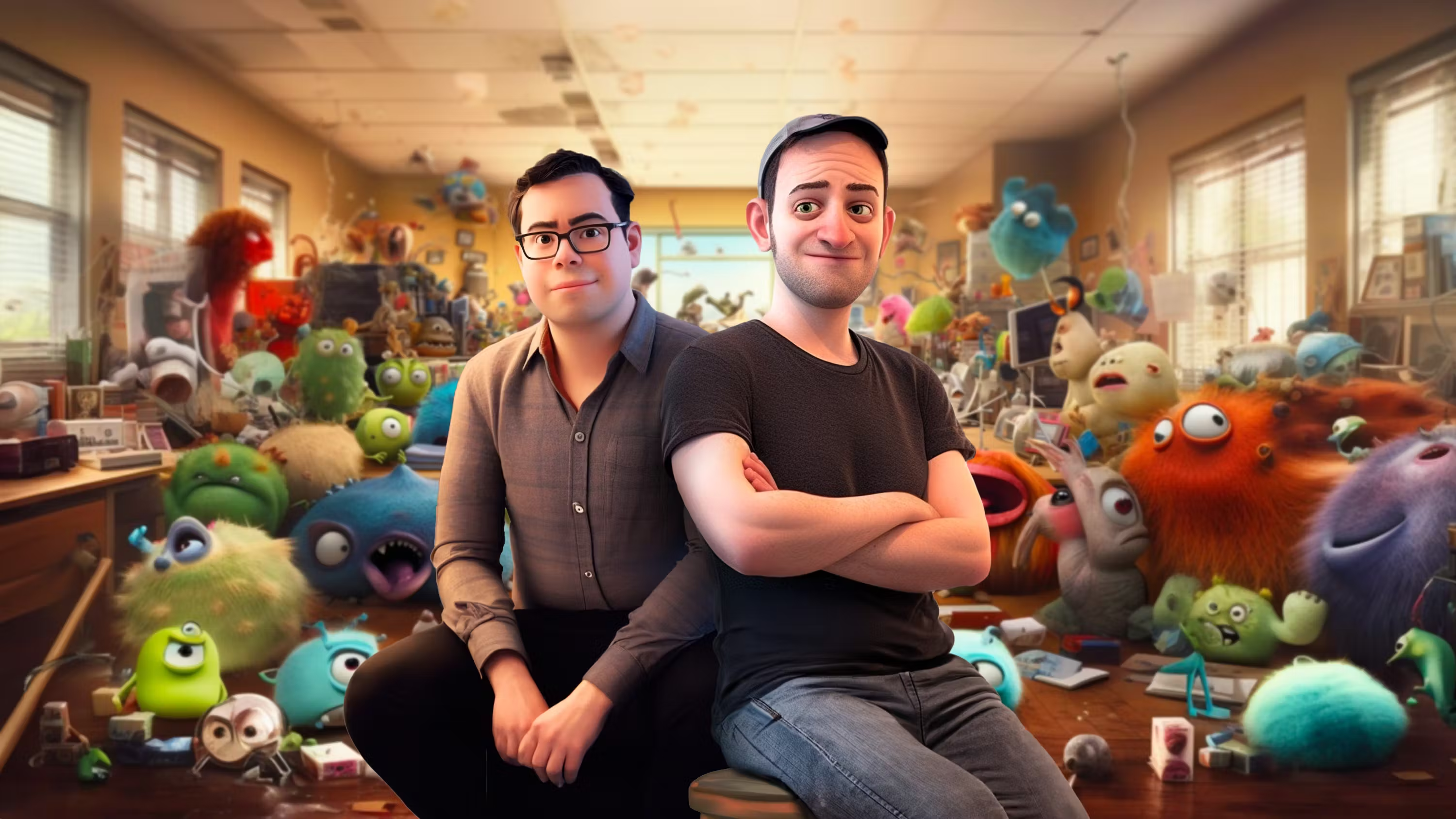
The Lonely Hearts Club of Character.AI
The 14 million chatbots on Character.AI are capable of providing companionship, emotional support, even romantic love. But can its pioneering founders control their creation? Jon meets the former Google engineers who turned a powerful large language model into a dizzying multiverse of chatbots.
social studies

A New VC-Beloved Startup Rips a Page From Meta’s Playbook
Just as Instagram launched its Twitter clone, four former Meta employees are pulling the same card on Instagram, launching a nostalgic (and imitative) photo-sharing app called Retro. Annie spoke to the founders, who readily admit the app is “not going to knock you over the head as something that’s completely new.”
the ai age
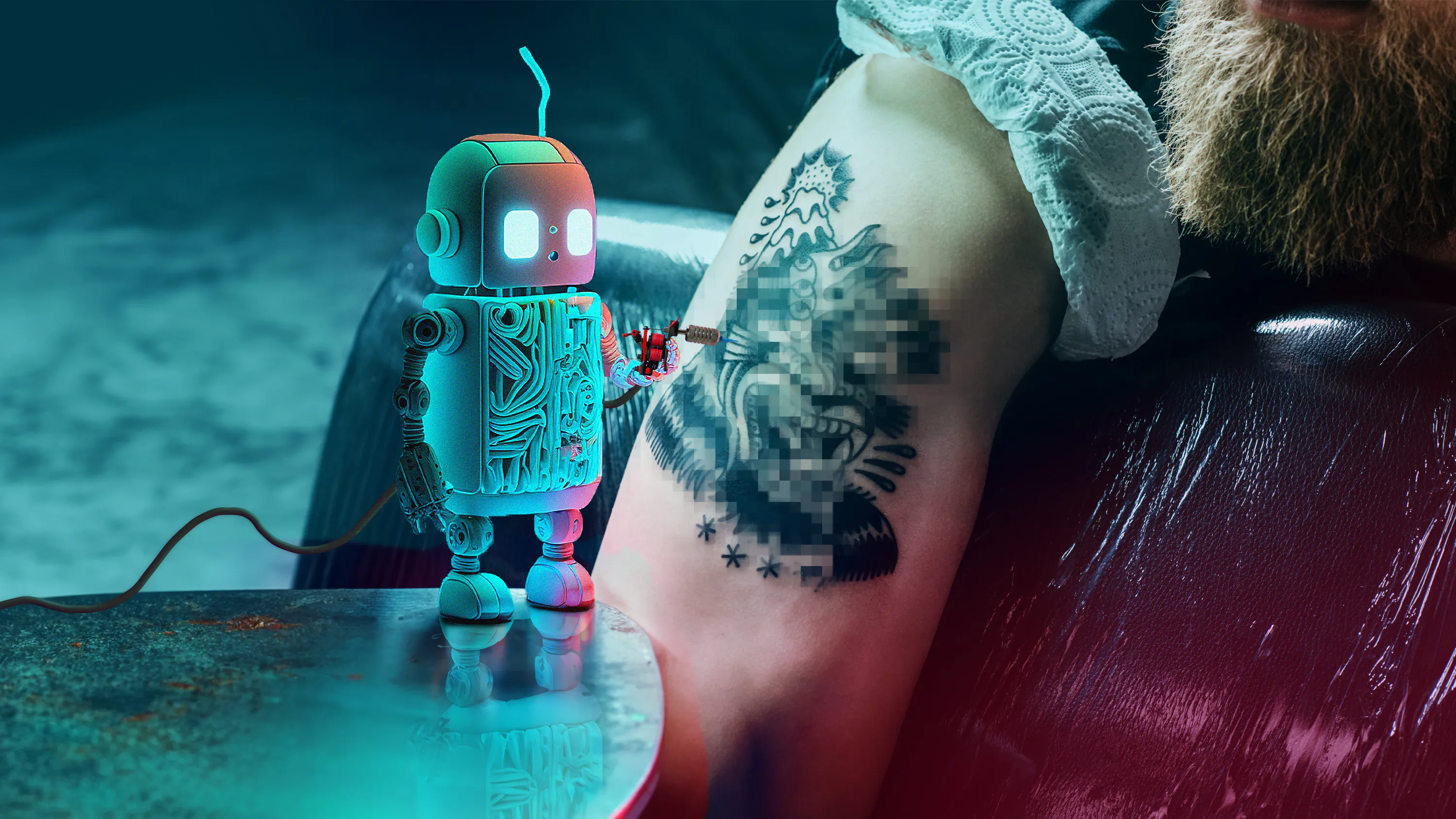
The Next Platform for AI-Generated Art: Your Bicep
A 1950s-style female cyborg. A stylized letter A. A cartoonish rose. All original tattoo designs and all made with the help of artificial intelligence. Journalist Chris Stokel-Walker takes us inside the burgeoning world of AI-generated tattoos and the cottage industry of startups automating their creation.

Watching: A millennial rockumentary
While hundreds of New Yorkers spent July 4 soaked to the bone waiting to watch a storm-delayed hot dog eating contest on Coney Island, I spent it laughing along with John Early’s new comedy special “Now More Than Ever” on Max. The special, done in the style of a 1970’s rockumentary, mixes observational standup with behind the scenes sketches and actual live numbers that reveal Early’s legitimate musical talents. The sketches dramatize the dynamics of Early’s fictional band a la “This is Spinal Tap” and act as a sort of nostalgic B-roll to his mostly Millennial-focused comedy routine. The whole thing is silly and over the top, but Early is capable of the occasional slam dunk, like his analysis of Apple’s app-tracking transparency prompt, which will haunt product managers for years to come. —Becky
Noticing: The dog days of ChatGPT
Worldwide traffic to ChatGPT, OpenAI’s hallmark chatbot, dropped nearly 10% in June, according to analytics firm Similarweb. But don’t cry for Sam Altman. It could be just a signal that (cue Alice Cooper) school’s out for summer. A recent episode of The Daily podcast artistically and thoroughly details how widespread ChatGPT use has become among students. The heart bleeds for Andrew Reeves, a history professor at Middle Georgia State University: “Even in upper level classes, even among history majors, I’m going to be fighting this,” he said. “And that just—it was an effing gut punch.” The latter half of the episode passes the mic to anonymous students, one of whom poses the most crushing question imaginable: “What is the incentive to really, really learn, to memorize, if you have this external brain that could do it for you?” —Annie
Reading: Real news about a fake poster
The Washington Post’s Drew Harwell dug into the social media presence of a stridently liberal Twitter personality named Erica Marsh who, from most reportable angles, appears to be fake. Marsh, who has gained more than 130,000 followers since suddenly appearing on Twitter last September, is undetectable online other than on Twitter and a matching TikTok account. Her profile pictures appear to be manipulated. She regularly spews inane talking points that double as rage-baiting red meat for conservatives. (Perhaps the most vile: “No Black person will be able to succeed in a merit-based system which is exactly why affirmative-action based programs were needed.”) The false flags are everywhere–and even moderation-averse Twitter couldn’t ignore them. It suspended the Marsh account last week, shortly after the Post inquired about it. —Jon
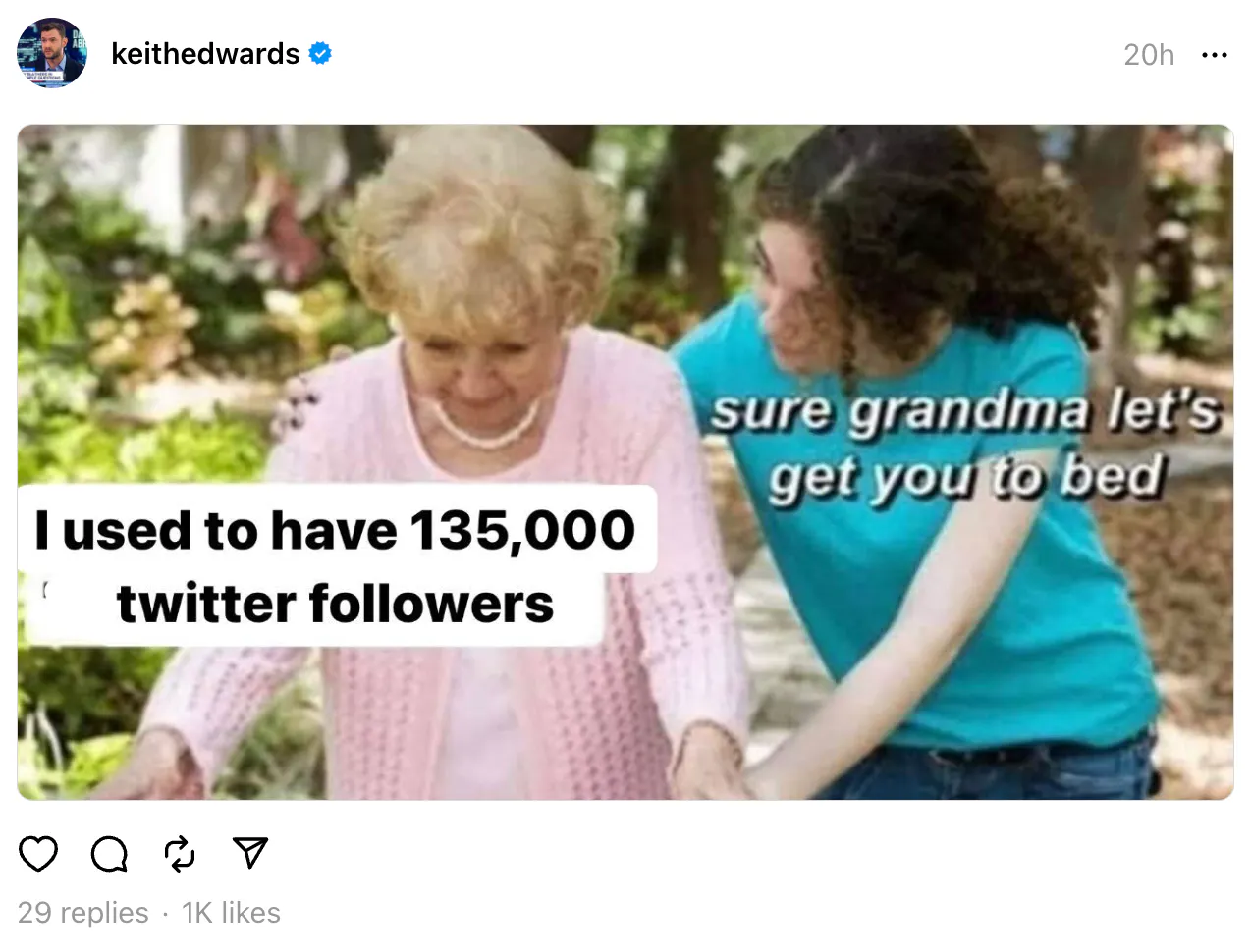
Makes You Think
Until next Weekend, thanks for reading.
—Jon
Weekend Editor, The Information




0 Commentaires