Hi, welcome to your Weekend.
Jon, our intrepid Weekender in Chief, is out. I’m happily subbing for him.
Indeed, I feel particularly energized this week after spotting something I haven’t seen in what feels like for-ev-er: an actually audacious piece of technology—that might never take off. I’m talking, of course, about Apple’s newly debuted $3,499 VR-AR headset, the Vision Pro. Candidly, its launch marks the first time I’ve seriously wondered whether the mouse and keyboard will suffer the same fate as the electric typewriter. Still, the Vision Pro is hugely expensive and its exact market seems ill defined. But whether it flops or not, it has provided a welcome respite from the constant dreary drumbeat from Silicon Valley lately: budget cuts, layoffs, descending share prices.
The reprieve is important. It’s nice to hear about a dreamy, if possibly fatally flawed, idea—a moonshot project. Moonshots are important. Even if they fail, they often inspire other moonshots. When I was talking about this with venture capitalist Josh Wolfe this week, he waxed on quite philosophically. “The detritus of failure is the combinatorial fodder of future success,” said Wolfe, whose Lux Capital backs a number of bluesky startups, like Hugging Face (artificial intelligence), Eikon Therapeutics (biotech) and Anduril (defense tech).
Wolfe is also an investor in Varda Space Industries, the startup cofounded by the subject of this week’s cover story, Delian Asparouhov. In the piece, Margaux takes us inside Asparouhov’s overlapping worlds: He’s been groomed by Peter Thiel and Keith Rabois and recently elevated to partner at Thiel’s Founders Fund. Meanwhile, Founders Fund has backed his moonshot startup, Varda. It hopes to attract pharmaceutical contracts with autonomous drug-making laboratories that rocket through space, concocting new treatments using extended time in microgravity.
Asparouhov isn’t yet the same type of name as Thiel or Rabois. But his profile has been significantly widening over the last few years—arguably, it's his December 2020 tweet that ignited the great migration to Miami, where Asparouhov still lives. A successful moonshot would certainly push his standing well into the stratosphere. Even if it doesn’t pan out, it’s delightful to watch 29-year-old Asparouhov attempt to grab a corner of the cosmos for himself and wonder who else will try.
the big read

The Overlapping Galaxies of Delian Asparouhov
Margaux beamed down to Miami to meet the 29-year-old Peter Thiel protégé, discussing both his top spot at Thiel’s Founders Fund and his Founders Fund-backed startup that has rocketed into the commercial space race.
social studies

Rave on the Nile: The Secretive Jetsetters Rethinking the Future of Travel
Annie takes us inside an invite-only organization’s recent trek across Egypt—and an earlier one to Antarctica—and explains how the trips illustrate a pent-up demand for luxe vacations that double as networking summits.
the takeaway
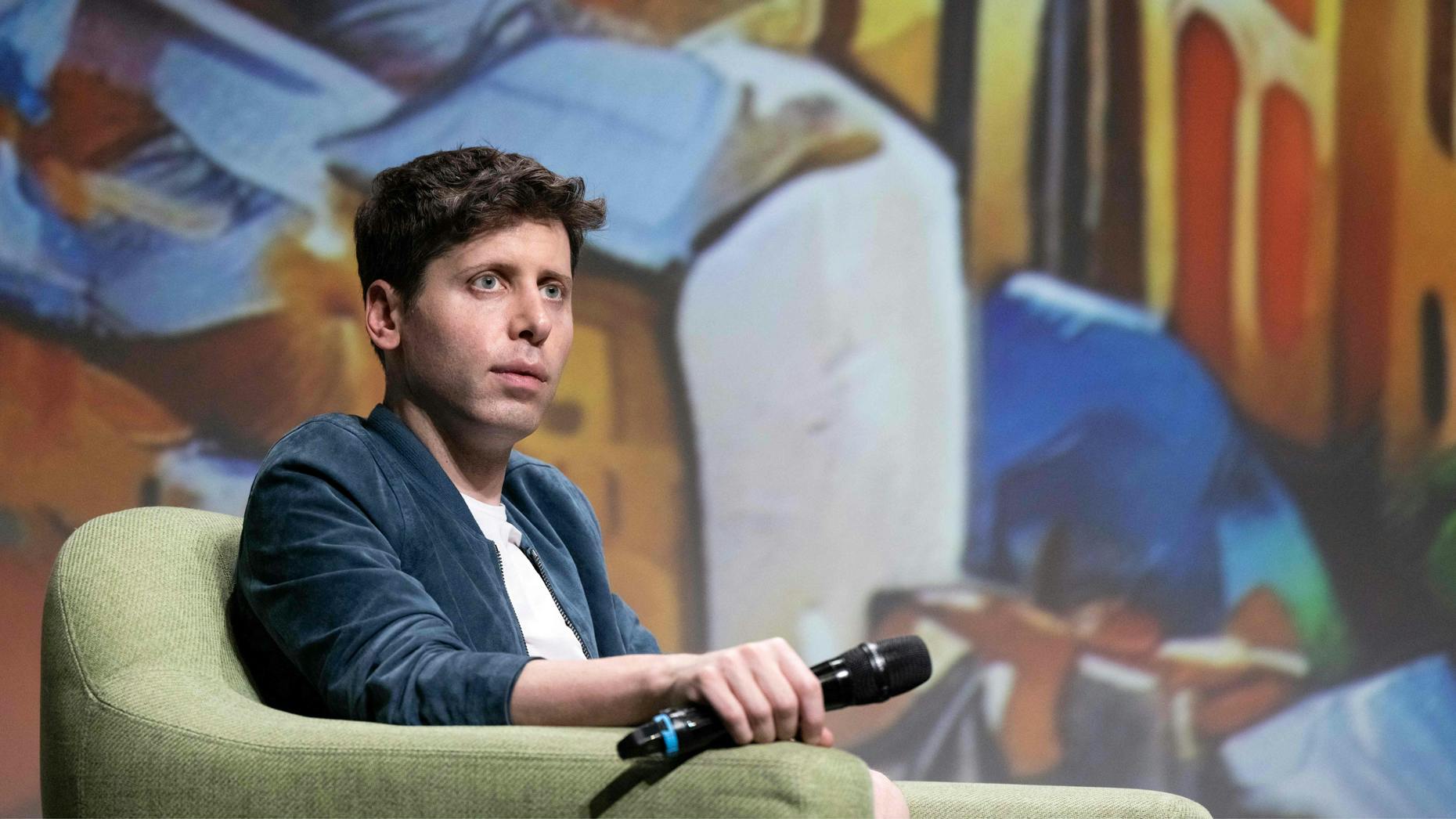
This Is How Sam Altman Works the Press and Congress. I Know From Experience.
Sam Altman was a veteran Silicon Valley player long before his OpenAI became the hottest thing in tech. And over the years, Jessica has noticed how he cannily uses the same playbook to handle journos and pols alike.
the investigation
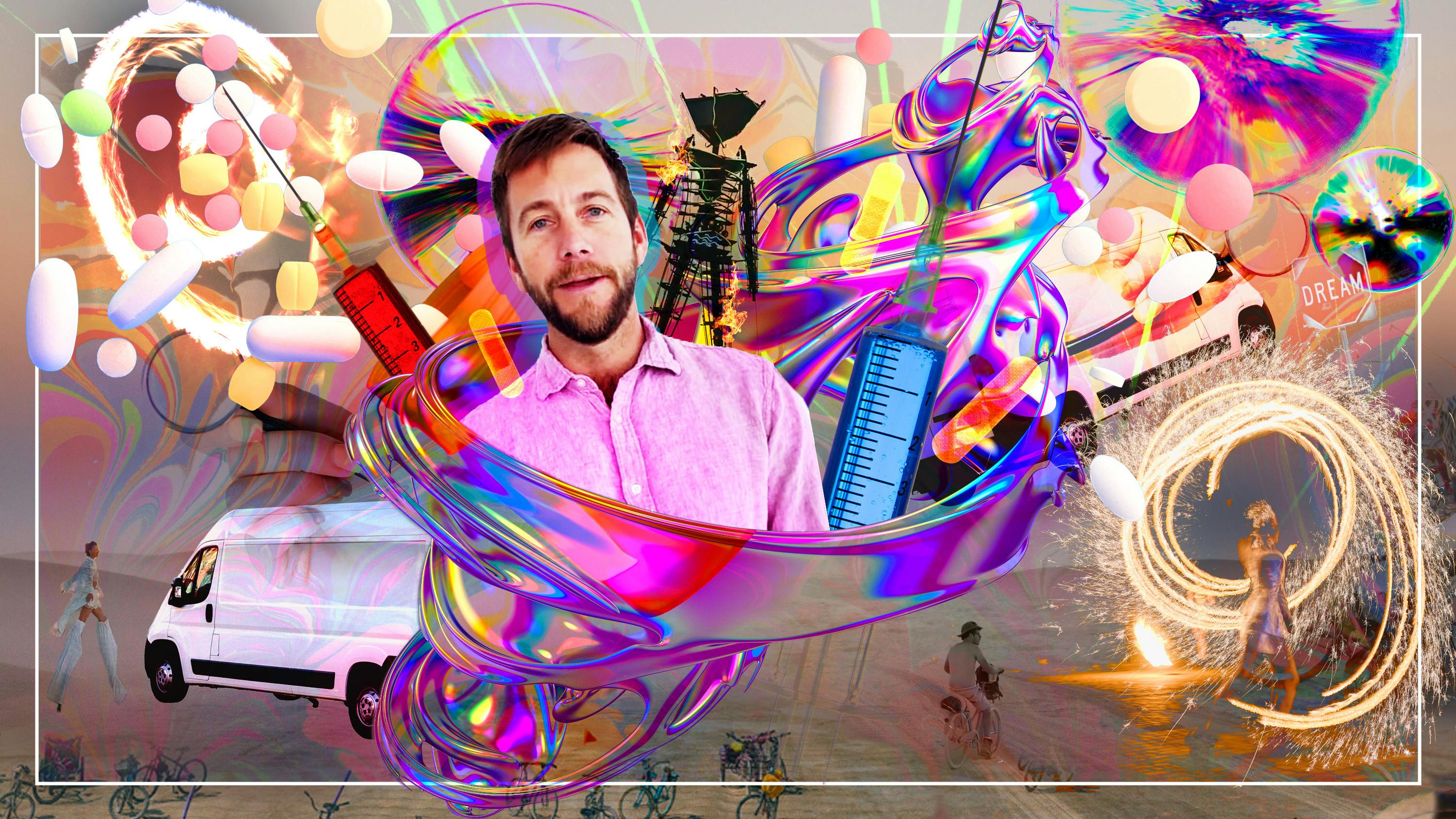
A Long, Strange Trip for the ‘Uber for Nurses’
Allegations of drug use, lax vetting of nurses and a stumbling business encircle CareRev, a hospital-staffing startup that raised $100 million during the pandemic. Last week, CEO Will Patterson resigned just as Paris was finishing her reporting on the company.

Watching: A spotlight on social media scamsters
I spend a lot of time talking to creators who are building legitimate, lucrative businesses. But Hulu’s new docuseries “The Age of Influence” is an important reminder of the industry’s ugly underbelly. “Each hour is really its own cautionary tale,” executive producer Joe Eardley told me. “Together, they paint a full picture of influencer culture and what can go wrong.” The series shines a light on ersatz social stars like Jay Mazini, a Muslim creator who branded himself a crypto-prophet but ended up pleading guilty to wire fraud and money laundering, and it also delves deeply into the viral drama between influencers Emily Gellis and Tanya Zuckerbrot over the controversial F-Factor diet. I binged “Age of Influence” in two days, and I heard its central message echo again and again: Often, what you see online often isn’t reality—and the disconnect can lead to dangerous scenarios. —Kaya
Listening: An intimate pursuit of SBF
When “Spellcaster,” a podcast about Sam Bankman-Fried, debuted this week, I wondered what possible magic it could wield: The one-time billionaire has been so well covered lately with still more TV shows, movies and books to come. Still, much like the title character, there’s curiously more to "Spellcaster" than you might initially think. Its host, Bloomberg’s Hannah Miller, is no drive-by reporter within this saga. She’d extensively covered SBF and crypto before his FTX exchange disintegrated—she also briefly worked for The Information before me—and Miller knows his former top lieutenant (and former lover) Caroline Ellison better than most, since the two share a mutual friend. “Spellcaster” had me intrigued early on when Miller described a bachelorette trip that included Ellison. It impressed me with the depth of its reporting—no easy feat in podcast land in a short-time frame—when she recounted how SBF hustled his Epsilon Theta fraternity bros during Diplomacy, a Risk-type board game: “Sam would blind them with his logic and reasoning, and once he had them on his side, he’d find the right moment to turn on them.” Clearly, the guy has a knack for coercive empire-building. – Abe
Reading: The noble Swiftie vigilantes
Two weeks ago, I attended a show at MetLife Stadium that, for me, was less a concert than a religious experience: Taylor Swift’s Eras Tour. But I was one of the fortunate few to snag a Taylor ticket this summer: Ticketmaster crashed during the presale, and scalpers have cranked up their prices to many multiples over the original cost. Enter @ErasTourResell, a Twitter account that has created a more bespoke and more fair-minded secondary market—“Robin Hood-like efforts [that] come amid attempts to curb what some lawmakers describe as a monopoly over ticket sales in the U.S.,” the Wall Street Journal’s Lane Florsheim writes. For @ErasTourResell, the three founders use little more than Twitter DMs and a Google Form to connect eager concert-goers with tickets at face value. (It’s similar in spirit to the slew of Twitter accounts that popped up in 2021 to help people get Covid vaccine appointments.) “We’re just trying to help people [keep] from getting scammed," co-founder Angel Richards, 27, told the Journal. “Our favorite part is when we’re all at the shows and people come up to us and they’ll be like, ‘I’m here because of you.’” They are, truly, on their vigilante shit. —Annie
Makes You Think

A different ad-pocalypse dawns.
Until next Weekend, thanks for reading.
—Abe
Staff Editor, The Information




0 Commentaires